How to Dispose of Rubbish in the UK
30 March 2026
Last updated: May 2026
Guide for householders on disposing of rubbish that is too big for your bin.
Looking to get rid of bulky waste like an old sofa, furniture, mattress, builders’ rubbish, broken appliance or garden waste? You’re in the right place. This is a complete guide for householders on how to dispose of rubbish and junk that is too big for your bin.
We review each rubbish disposal option available, including how it works, what it typically costs, and what types of waste it is suitable for. We also provide guidance on how to dispose of more specific types of rubbish, how disposal options vary by region, and answer some of the most common questions householders ask.
In the UK, the main options are recycling centres (the tip), council bulky waste collection, private rubbish removal services and skip hire.
Quick Summary: Best Ways to Dispose of Rubbish in the UK
Cheapest overall (if you can transport it): Take it to a council recycling centre (the tip)
Cheapest collection option: Council bulky waste collection
Fastest option: Private rubbish removal / man and van collector
Best for renovation waste: Skip hire
Best environmental option: Donate or give items away for reuse
The right option depends on the type of waste, how much of it you have, how urgently it needs to go, and whether you can transport it yourself.
Table of Contents
Donate or Give Away for Free
The cheapest and greenest option for getting rid of unwanted stuff is to give it to a charity or an individual for free. Obviously, in order to do that, the item should be in genuinely good working condition or have only minimal wear and tear.
The sorts of items that can often be donated include:
Furniture (sofas, armchairs, table and chairs, drawers, wardrobes etc.). No rips, tears or stains to cushions or fabric, and no wobbles or loose joinery.
Appliances (washing machines, tumble dryers, microwaves etc.). Still in good working order with all necessary cables and attachments included
Mattresses should have no stains or rips
Large electricals (floor lamps, TVs, heaters, dehumidifiers etc.). As with appliances, in working order with all attachments.
Donate to a charity: how does it work?
Certain national charities in England collect furniture for free. Usually, you fill out a contact form or give them a call and arrange collection.
There may also be smaller, independent or regional charities near you that accept furniture or appliance donations. Your local council’s bulky waste pages can sometimes point you towards these.
If you want to donate any sort of upholstered item to a charity, such as a sofa or armchair, it needs to have its fire safety labels still attached. Charities cannot legally accept items without them.
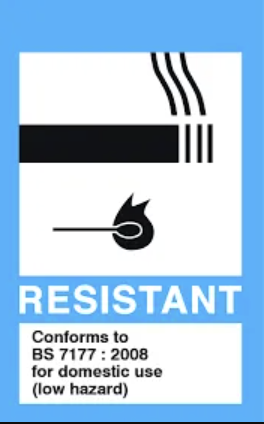
If your item doesn’t have one of these labels, you can still see if an individual wants it.
Give away to an individual: how does it work?
Assuming nobody in your family or friends network wants the item, try posting in online reuse forums and sites where individuals look for second-hand furniture and household goods. Normally, if somebody wants your item, they will offer to come and collect it for free.
Reuse: pros and cons
All going well, reuse is a fantastic option both for your pocket and for the planet. It is the cheapest and greenest way to dispose of rubbish, and it keeps your item from being destroyed.
However, there is always the chance that either the charity or individual reuser turns your item down upon collection and you have to start again or consider other options, which can be frustrating.
Our article about how to donate furniture has lots of tips for getting an item successfully reused and includes a list of charities, reuse sites and safety advice.
Council Recycling Centre
Every council area has at least one Household Waste Recycling Centre, otherwise known as an HWRC or tip. This is a place where you can take rubbish in your own car and dispose of it in designated areas.
It is worth checking the rules for your nearest site before you go. In particular:
Do you need to book? Since the pandemic, many sites introduced a booking system with designated time slots.
What type of vehicle do you have? Most recycling centres only allow regular cars on site for free. Pick-up trucks, vans or trailers may require a permit.
This information is usually available on the relevant council website.
What kind of waste can you take to a recycling centre?
You can take a very wide range of household waste to a recycling centre. However, it is better to think in practical terms about what you can actually fit into your car and lift between yourself and a helper. Each centre may have its own list of unacceptable items, so do check before travelling.
As a baseline, many centres accept:
Household waste
Mattresses
Furniture
Electrical appliances
Garden waste
Oil and paint
Scrap metal
DIY waste, often up to a certain free weight limit
How much does it cost?
Disposing of household waste at recycling centres is usually free, with the exception of larger amounts of DIY rubble or charges related to vehicle permits in some areas.
Recycling centres: pros and cons
The major benefit of recycling centres is that disposal is free. Plus, if you can get there on the day, or book a slot quickly enough, you can usually dispose of your rubbish immediately.
The downside is that convenient and free disposal depends entirely on whether you have a car to transport it in, and whether your waste fits in the vehicle. If you need something bigger, you will most likely have to pay extra. You also need to do all the loading and unloading yourself.
Find your nearest site with our Recycling Centre Map.
Council Bulky Waste Collection Service
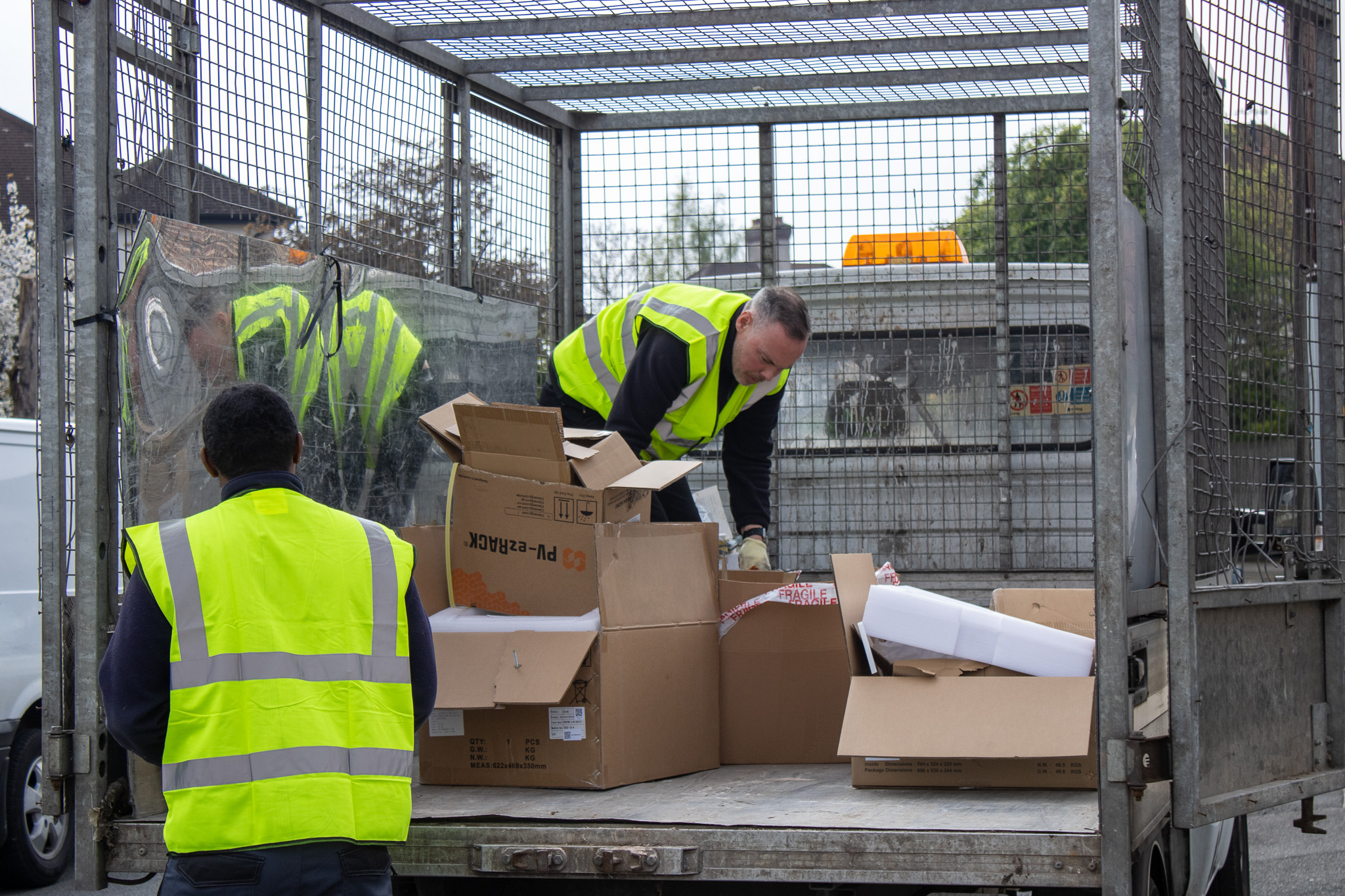
Almost every council offers householders a bulky item collection service. You book a collection slot and a council van comes to pick up your items. Councils are generally not insured to remove items from inside properties, so you normally need to leave them just outside your front door or at your property boundary.
Generally, councils collect:
Bulky furniture: sofas, armchairs, desks, cabinets etc.
Appliances: fridges, dishwashers, washing machines, tumble dryers etc.
Carpets and cardboard
Mattresses
DIY waste and unusual items are more restricted. For example, only a small proportion of councils collect DIY waste or items like pianos, so always check your local council’s website.
How much does the council service cost?
Prices vary by council. Historically, the average charge to pick up one item has been around the low-thirties in pounds, although charges range widely from free to much higher depending on the authority and the type of item. Some councils offer concessions or discounts for certain residents, for example if you receive income support or are elderly or disabled.
For current pricing detail, see our guide to Council Large Item Prices (latest available data).
Council collection: pros and cons
On average, councils are cheaper than private waste collectors, but the sacrifice is convenience. Normally, you must wait one to two weeks for your collection, which is not ideal if you need something gone urgently or within a narrow time window.
It can also be difficult if you have mobility issues and cannot get your bulky waste outside your door.
For a full breakdown of how council bulky waste collection works, including typical charges, waiting times and item limits, see our detailed guide to council bulky waste collection in the UK.
Private Rubbish Removal (Man and Van)
A man and van waste collector is probably the most common answer to the question “How do I dispose of rubbish?”. A private waste removal business will collect waste from anywhere on your property and take it away for disposal.
You normally pay according to how much waste they take and how long it takes to load it.
Unlike council collection services, private collectors can usually take almost every type of waste and any size of load, big or small. That includes:
Household waste: furniture, appliances, junk, general rubbish
Garden waste: branches, leaves, sheds, fence panels
DIY and renovation waste: rubble, kitchen or bathroom rip-outs, bricks, plasterboard
Waste collectors must be licensed with the Environment Agency (or SEPA in Scotland) to carry waste. They need an additional licence for certain hazardous waste such as paint or asbestos.
Always ask the collector for their licence number before using them and double check it to ensure it is valid.
How much does a private waste collector cost?
Prices can vary widely depending on the job. The main factors include:
Size of load
Weight
Fridge or mattress uplift
Upholstered items affected by POPs rules
Reuse or resale potential
Time slots and urgency
Access and loading time
Read more about these factors in our Rubbish Removal Price Guide.
Examples of man and van rubbish removal charges
Typical examples can include:
Fridge freezer: around £50
Old washing machine: around £30
Two-seater sofa: around £60
Double mattress: around £50
Packing boxes: around £20
Sofa bed: around £80
Bath: around £30
Cardboard: around £30
Cupboard: around £35
Wall unit: around £65
Wooden pallets: around £35
For broader pricing data, see our Rubbish Removal Prices guide.
You can also browse live examples of completed rubbish removal jobs on the LoveJunk marketplace, including photos and actual prices agreed between customers and licensed collectors.
Man and van: pros and cons
Although this is a more expensive option than tips or council collection, private waste collectors can:
Remove waste from inside your house so you do not have to do any lifting
Come on a same-day basis if you need things gone urgently
Collect most types of waste and multiple items at once
Unfortunately, there are also cowboy operators around who charge well below standard, fly-tip your waste, and pocket the profit. That is why checking the carrier’s licence matters so much.
Skip Hire
Skips are particularly useful for messy waste from renovation projects where you need somewhere to contain the material.
There are two common ways skip hire works:
Regular skip hire: you rent the skip for a number of days, load it yourself, and the company comes back to collect it
Wait and load: a lorry arrives with the skip, you load while it waits, and the waste is taken away immediately
In both cases, you are still responsible for doing the loading.
How much does skip hire cost?
Costs vary depending on skip size, geography and whether you need a permit. Larger skips cost more than smaller ones. The South tends to be more expensive than the North because operating and disposal costs are higher. If the skip is placed on a public road, you will normally need a permit.
As a broad guide, the UK average price for a 6-yard skip is roughly in the mid-hundreds, but always check live regional pricing.
Skip hire: pros and cons
The main advantage of skips is that they contain rubble and messy waste well. They also come in a range of sizes for different types of project.
The disadvantages are the space they take up, the lack of pricing flexibility for smaller loads, and the extra costs that can surround permits.
Our Skip Hire Guide explains permits, what you can put in a skip and which size you may need. You can also see our Skip Size Guide.
Hippo Bags and Skip Bags
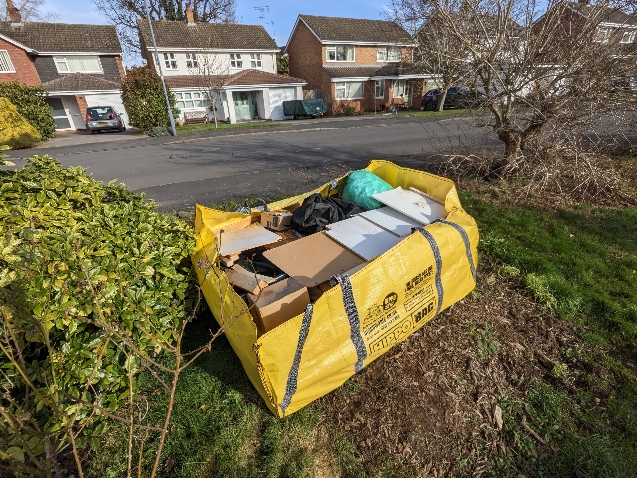
Skip bags, often called Hippo bags, are essentially a smaller and more flexible version of a skip. They are useful for the kind of messy waste you might otherwise put in a skip, such as garden, builders’ or DIY waste.
You fill the bag yourself and then pay either the retailer or a man and van waste collector to empty it.
How much do skip bags cost?
The bag itself usually has a fixed retail cost. Collection is then either booked through the retailer or arranged separately with a waste collector.
The benefit of using a waste collector to empty the bag is that it can sometimes work out cheaper and may allow you to keep and reuse the bag.
Hippo bags: pros and cons
Advantages include:
Smaller, lighter way to contain messy waste
Different size choices
Greater flexibility than a time-limited skip
However:
Retailer collections often have strict rules around overfilling and access
You still need to do the loading yourself
See our Hippo Bag Guide and Hippo Bag Collection Cost Guide for more detail.
Other Types of Rubbish Disposal
In specific circumstances, here are three more ways to get rid of your junk.
Retailer take-back service
This is sometimes offered by the retailer selling you a new sofa, appliance, mattress or other item. It is often presented as an optional extra at checkout on top of delivery.
Check with the retailer whether this is available and what it costs.
House clearance companies
When you have an entire house worth of stuff to get rid of, you can hire a professional house clearance company. They usually need to inspect the items before quoting.
The price depends on:
Valuable items that can be sold
Items that can be donated
Number of rooms
Any hazardous waste
As a rough guide, a standard two-bed house clearance is often a few hundred pounds, but this varies.
For a full explanation, see our House Clearance Guide.
Scrap metal collectors
If you have a lot of metal in your waste, a scrap metal company may take it away for free. Scrap companies specialise in metal waste and make their money by selling the recovered material.
Examples of items that can have scrap value include:
Washing machines
Cookers
Microwaves
Copper and brass piping
Aluminium furniture
Metal ladders or wheelbarrows
How to Dispose of Specific Types of Waste
If you are looking for guidance on a specific waste type, use these detailed guides:
Builder rubbish and DIY waste: see How to Dispose of Rubble and DIY Waste in the UK. You can also browse real builder and DIY waste removal jobs and prices from recent collections.
Cardboard and packaging waste: see How to Dispose of Cardboard Waste and How to Dispose of Cardboard Boxes. You can also see real cardboard removal jobs and prices on the LoveJunk marketplace.
Carpet and flooring: see How to Dispose of Your Old Carpet. You can also see real carpet removal jobs and prices on the LoveJunk marketplace.
Dishwasher: see How to Dispose of Your Old Dishwasher.
Fridge recycling: see How to Dispose of Your Old Fridge. You can also view real fridge removal jobs and prices from recent collections on the LoveJunk marketplace.
Garden waste: see How to Dispose of Garden Waste. You can also view real garden waste disposal jobs and prices from recent collections on the LoveJunk marketplace.
House clearance: see Guide to House Clearance.
Mattress disposal: see How to Dispose of Your Old Mattress. You can also see real mattress collection jobs and typical prices from recent bookings.
Office clearance: see Office Clearance Advice.
Piano: see Piano Disposal Guide.
Furniture: see How to Dispose of Your Old Furniture. You can also view real furniture removal jobs and prices from completed collections.
Sofa disposal: see How to Dispose of Your Old Sofa. You can also browse real sofa removal jobs and prices from completed collections.
Garden shed: see Garden Shed Disposal Guide.
Hazardous waste: see Hazardous Bulky Waste, Asbestos Disposal and Paint Disposal.
Wheelie bin overflow: see What to Do with Too Much Rubbish for Your Wheelie Bin.
Christmas tree: see How to Recycle and Dispose of Your Christmas Tree.
Regional Guides
Below are rubbish removal guides for selected areas in the UK. They include local waste solutions and guidance.
Available local guides include:
Legal Responsibilities
When disposing of rubbish, householders have a legal duty of care.
That means:
You must use licensed waste carriers
You may be liable if your waste is fly-tipped
Fly tipping can result in serious penalties
Always verify waste carriers via the Environment Agency register before handing waste over.
Real Rubbish Removal Prices in the UK
Prices for rubbish removal vary depending on location, waste type, volume and access conditions. While guide prices are useful, actual costs can differ significantly between jobs.
The examples below are based on real private rubbish removal (man & van) jobs completed on the LoveJunk marketplace, showing what customers actually paid. These examples reflect private man and van collections rather than skip hire or council services.
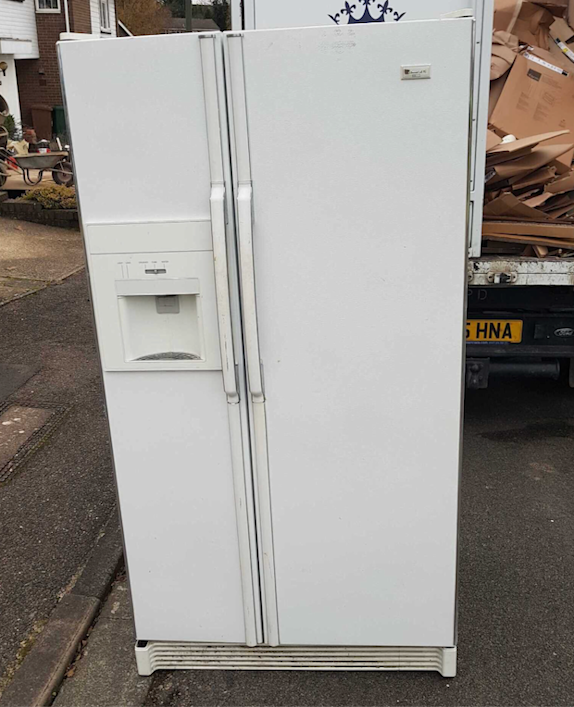
Fridge freezer – £50
Standard appliance collection
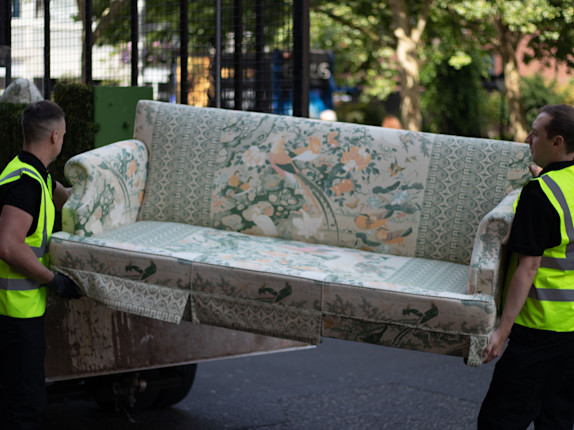
Sofa removal – £60
2-seater sofa collected from flat
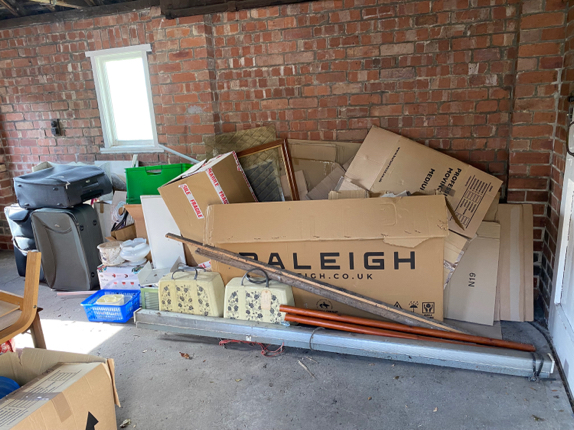
Mixed household waste – £120
Furniture, boxes and general rubbish
You can browse more live examples of completed rubbish removal jobs on the LoveJunk marketplace. These include photos, descriptions and final agreed prices.
Final Thoughts
There is no single best way to dispose of rubbish. The right option depends on the type of waste, how much of it you have, how urgently it needs to go, and whether you can transport it yourself.
As a general rule:
Reuse is best when the item is still usable
Recycling centres are often the cheapest if you can transport the waste
Council collections are cost-effective for non-urgent bulky items
Private collectors are best for speed and convenience
Skips are ideal for renovation and messy waste
Related Guides
If you’re comparing options or need more detail on specific services, see:
Frequently Asked Questions
Is leaving rubbish beside recycling bins fly tipping?
The council will usually consider it fly tipping if you leave items:
Next to street bins or recycling banks
On the floor of communal bin areas
Outside closed recycling centres or charity shops
It is generally not considered fly tipping if you have extra waste next to bins on your own private property.
Where does waste go once it is collected?
After collection, waste goes to treatment facilities. This could be landfill, incineration or recycling, depending on the material.
Non-recyclable waste often goes to landfill. Incineration plants generate energy by burning waste at very high temperatures. Recycling facilities process materials into new products.
What are POPs?
POPs stands for Persistent Organic Pollutants. These are toxic chemicals that can remain in the environment for a very long time. They are often found in upholstered furniture because of historical fire-safety requirements.
Because of recent rules, items containing POPs usually cost more to dispose of. Read more in our POPs Furniture Disposal guide.
Related Articles
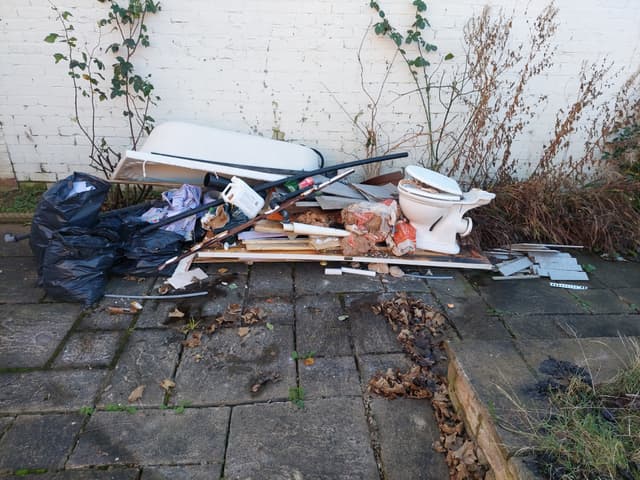
DIY & Rubble Disposal Guide UK
Last updated: May 2026 Estimated reading time: 8 minutes DIY projects and home renovations can creat...
How to Dispose of Old Carpet in the UK
Last updated: May 2026 Getting rid of old carpet, underlay, rugs or flooring waste? This guide expla...
How to Dispose of Rubbish in London
Last updated: May 2026 Looking to get rid of bulky waste in London, such as old furniture, appliance...