DIY & Rubble Disposal Guide UK
14 May 2026
Last updated: May 2026
Estimated reading time: 8 minutes
DIY projects and home renovations can create large amounts of heavy and bulky waste, from bricks and plasterboard to old kitchens, flooring and bathroom suites. This guide explains the cheapest, easiest and fastest ways to dispose of DIY and rubble waste in the UK, including skip hire, recycling centres, council collection and licensed waste removal.
Whether you are clearing rubble after a bathroom renovation, replacing flooring, removing an old kitchen or disposing of mixed builders waste, choosing the right disposal method can save time, money and unnecessary hassle.
For a broader overview of rubbish disposal options across the country, see our UK rubbish disposal guide.
Quick summary: best ways to dispose of DIY and rubble waste
Cheapest option: take small amounts to your local recycling centre or tip
Best for large renovations: skip hire
Best for heavy rubble or soil: inert skip or grab lorry
Best for convenience: licensed man and van waste collection
Best for smaller DIY jobs: skip bags or Hippo bags
Best environmental option: reuse materials where possible
The right option depends on the amount of waste, how heavy it is, whether you can transport it yourself, and whether you need labour included.
Table of Contents
What counts as DIY and rubble waste?
DIY and renovation waste includes a wide range of materials generated during home improvement, landscaping and refurbishment projects.
Rubble is broken fragments of construction and demolition waste, including bricks, concrete, tiles, stone, ceramics, paving slabs, sand and similar heavy materials created during building or renovation work.
Common examples include:
Rubble and hardcore
Bricks and concrete
Tiles and ceramics
Soil and paving slabs
Plasterboard
Timber and wood offcuts
Kitchen cabinets and worktops
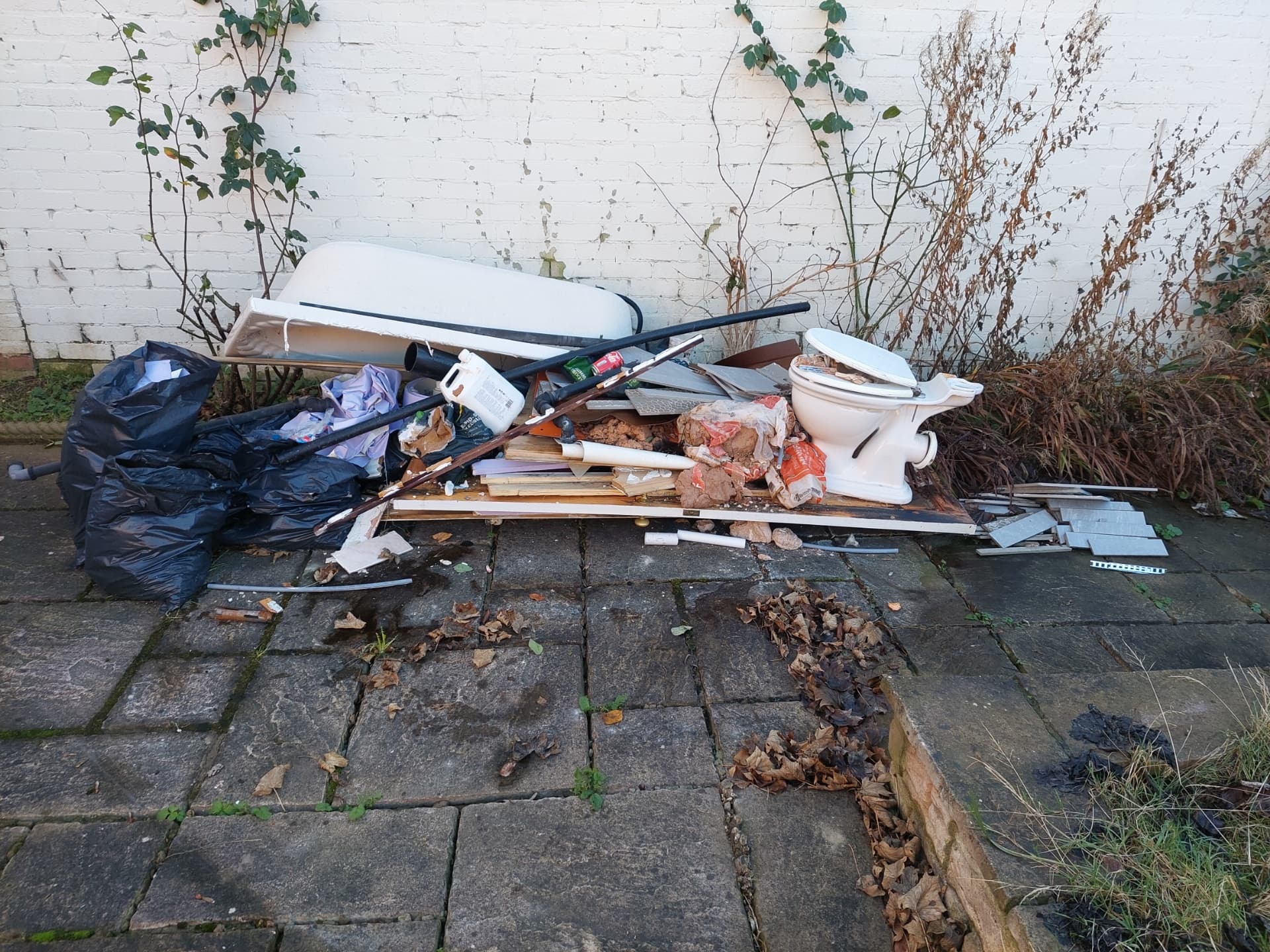
Bathroom suites and sinks
Flooring and underlay
Doors, skirting boards and fittings
Many councils classify this as DIY, builders or construction waste rather than normal household rubbish, which affects how it can be disposed of.
Some materials such as asbestos, paint, chemicals and gas cylinders may require specialist disposal and should never be placed in general skips or household waste bins.
DIY and rubble disposal options compared
The best disposal method depends on how much waste you have, whether it is heavy or bulky, and whether you need labour included.
Disposal option | Best for | Typical cost | Pros | Cons |
|---|---|---|---|---|
Recycling centre / tip | Small DIY projects | Usually free or low-cost | Cheapest option | Requires transport and loading |
Council bulky waste collection | Limited renovation waste | £20–£80+ | Convenient | Many councils exclude rubble |
Skip hire | Large renovation projects | £150–£450+ | Good for ongoing work | Permit may be required |
Skip bags / Hippo bags | Medium DIY projects | £80–£250 | Flexible and compact | Weight restrictions |
Grab lorry | Large rubble or soil volumes | £200–£600+ | Fast for heavy waste | Excessive for small jobs |
Man and van waste collection | Most home renovations | £40–£300+ | Labour included | Prices vary by loading |
Reuse / giveaway | Good quality materials | Often free | Sustainable | Not suitable for all waste |
How much does DIY and rubble disposal cost?
DIY waste removal costs depend on:
The amount of waste
Weight of materials
Labour required
Access to the property
Whether the waste is bagged
Speed of collection
Local disposal charges
Heavy materials such as bricks, concrete, soil and tiles are usually more expensive to remove because disposal facilities charge by weight.
As a rough guide:
Waste type | Typical collection cost |
|---|---|
Small rubble collection | £35–£80 |
Bathroom renovation waste | £80–£180 |
Kitchen removal waste | £100–£250 |
Mixed DIY waste | £70–£200 |
Large rubble or hardcore piles | £200–£500+ |
You can also browse our live builder and DIY waste removal gallery to see recent real-world collections, pricing and waste volumes from across the UK.
For more information about general rubbish collection pricing, see our rubbish removal prices guide.
How much does rubble weigh?
Rubble and hardcore are much heavier than general household waste. A single filled rubble bag can weigh around 30–50kg depending on the material, while larger piles of bricks, concrete or soil can weigh several hundred kilograms (250-400kg per cubic yard).
This is important because:
Skips have weight limits
Disposal sites charge by weight
Labour costs increase with heavier waste
Heavy waste can exceed skip bag allowances
Heavy materials such as soil, concrete and bricks are usually more expensive to remove than lighter renovation waste like timber or cardboard.
For more information, see our skip weight limit guide.
Can you take rubble to the tip?
Usually yes. Most household waste recycling centres accept small amounts of DIY and rubble waste.
However:
Many councils now charge for DIY waste
Some sites require advance booking
Vehicle restrictions may apply
There are often limits on rubble bags, plasterboard or soil
If you only have a few bags of rubble and suitable transport, taking it to the recycling centre yourself is often the cheapest option.
You can also see our recycling centre and rubbish tip guide.
Will the council take away my rubble?
Usually not.
Most councils do not collect large amounts of rubble, hardcore or construction waste as part of standard bulky waste collection services because DIY waste is often treated separately from household rubbish.
Some councils may:
collect small quantities for a fee
accept bagged DIY waste
limit the number of rubble bags
exclude heavy materials entirely
Rules and charges vary significantly between councils, so always check your local authority before booking.
For more information, see our council bulky waste collection guide.
Skip hire vs man and van waste collection
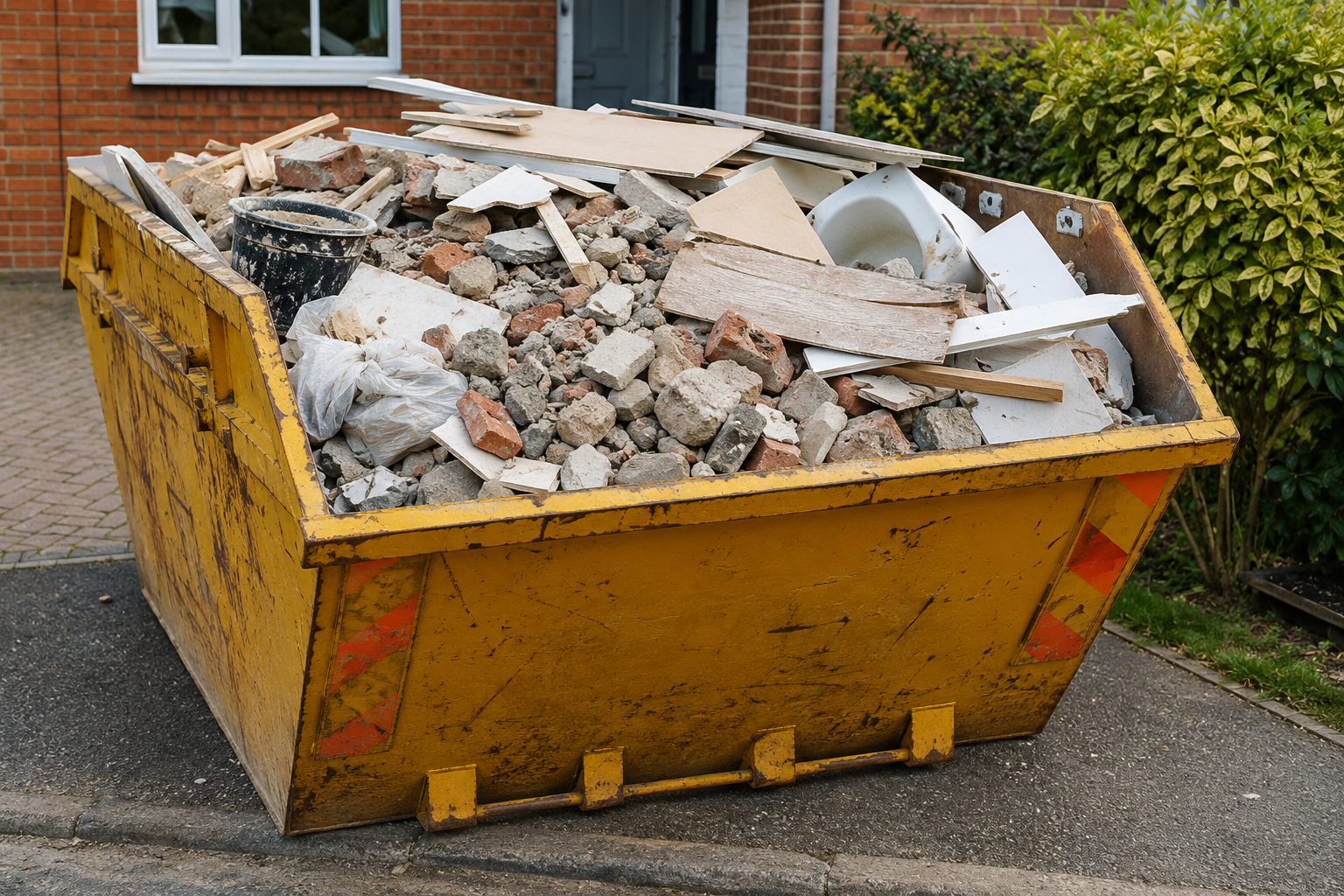
Both skip hire and private waste collection are popular for DIY projects, but the best option depends on the type of waste and how long the project will last.
Skip hire is usually better for:
Ongoing renovation projects
Large amounts of rubble
Full house refurbishments
Garden landscaping projects
Waste generated over several days
However, skips can require:
Road permits
Space outside the property
Manual loading
Heavy waste can also fill skips surprisingly quickly.
For more detail, see:
Man and van waste collection is usually better for:
One-off collections
Fast removal
Small to medium renovation jobs
Flats or restricted access properties
Customers who want labour included
Collectors can usually load the waste for you, making it easier than hiring a skip for smaller projects.
To compare prices and find licensed collectors, use the LoveJunk rubbish clearance service.
You can also see our guide comparing skip hire and rubbish removal.
Can rubble go in a skip?
Yes. Rubble, bricks, concrete and hardcore can usually go in a skip.
However, if most of your waste is inert material such as:
rubble
concrete
soil
bricks
sand
then an inert waste skip is often cheaper than a mixed waste skip.
Inert skips are usually cheaper because rubble, concrete, soil and hardcore can often be recycled or reused in construction projects. However, you normally need to request an inert skip in advance, otherwise the provider may charge mixed waste rates.
Mixed waste skips are better for:
timber
furniture
plasterboard
flooring
general renovation waste
Always check with the skip provider before booking because some materials are restricted.
Can rubble go in a skip bag or Hippo bag?
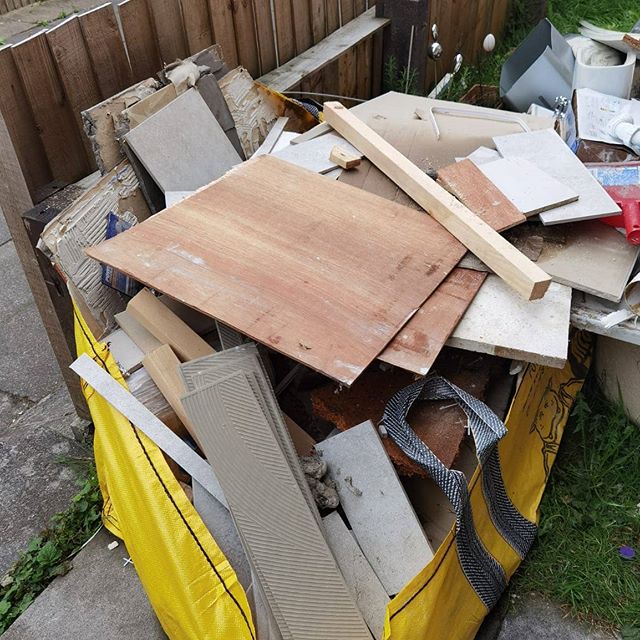
Yes. Skip bags and Hippo bags are commonly used for DIY and rubble disposal.
Skip bags and Hippo bags are made from heavy-duty woven material designed to hold heavy renovation and construction waste.
They are useful for:
bathroom renovations
patio projects
flooring replacement
garden landscaping
small kitchen refits
However:
bags have weight limits
heavy rubble can exceed allowances quickly
collections may cost more if overfilled
If you have very heavy waste, a skip or private collection may be more practical.
You can also browse recent Hippo bag and skip bag collection examples to compare real-world prices, collection costs and waste volumes from across the UK.
For more information, see:
When is a grab lorry useful?
Grab lorries are large trucks with mechanical arms used to collect heavy loose waste such as rubble, soil and hardcore. They are more common on building sites and major landscaping projects than small home renovations.
However, they can still be useful when:
large amounts of heavy waste need removing quickly
skip permits are difficult to obtain
rubble is difficult to access manually
waste is piled behind walls or fences
For smaller DIY projects, skip hire or man and van waste collection is usually more practical.
Can DIY waste be reused or recycled?
Some DIY waste can be reused instead of disposed of.
Materials commonly reused include:
bricks
paving slabs
timber
kitchen cabinets
doors
tiles
pallets
Good quality materials can often be listed on:
Freecycle
Gumtree
Facebook Marketplace
reuse organisations
LoveJunk
Reuse is usually the most sustainable option and can sometimes reduce disposal costs entirely.
DIY waste disposal by project type
Different renovation projects produce different types of waste.
Kitchen renovation waste
Typically includes:
cabinets
worktops
sinks
appliances
timber
tiles
Kitchen waste is bulky and often best suited to man and van collection or skip hire.
See also our kitchen installation rubbish removal guide.
Bathroom renovation waste
Common bathroom waste includes:
toilets
sinks
baths
tiles
plasterboard
rubble
Bathroom waste is often very heavy for its size.
Flooring and carpet uplift
Flooring projects can create:
carpet
laminate
underlay
tiles
wood offcuts
See our carpet disposal guide for more information.
Garden landscaping waste
Can include:
paving slabs
soil
rubble
timber
fencing
hardcore
Heavy landscaping waste often requires skips or grab lorries.
See also our garden waste removal guide.
Avoid fly-tipping and illegal waste collectors
Always use licensed waste carriers when paying someone to remove DIY waste.
Illegal dumping and fly-tipping remain major problems across the UK. If waste is traced back to you, you can receive a significant fine even if someone else dumped it illegally.
Before booking:
check the collector is licensed in the Environment Agency website
request a waste transfer note if appropriate
avoid unusually cheap cash-only collections
Compare real DIY waste removal prices
Browse recent real-world DIY waste and rubble collections across the UK to compare pricing, waste volumes and collection methods.
You can see examples of:
rubble removal
bathroom renovation waste
kitchen rip-out waste
flooring and tile disposal
mixed builders waste collections
View the LoveJunk builder waste removal gallery.
Related guides
Final thoughts
DIY and rubble waste can become expensive and difficult to remove if you underestimate the weight, disposal rules or labour involved. The best option depends on the type of project, how much waste you have, and whether you prioritise cost, speed or convenience.
To compare prices quickly and see real recent collections, browse the LoveJunk builder waste removal gallery or use our rubbish clearance service to compare licensed collectors near you.
Frequently Asked Questions
Can I put rubble in household waste?
No. Rubble and construction waste are usually too heavy for household bins and are normally treated as DIY waste.
Is DIY waste free at the tip?
Not always. Many councils now charge for DIY waste such as rubble, plasterboard and soil.
Can plasterboard go in a skip?
Usually yes, but many skip companies require it to be separated from general waste because of disposal regulations.
How heavy is a rubble bag?
A filled rubble bag can weigh roughly 30–50kg depending on the material.
Will the council collect rubble?
Most councils do not collect large amounts of rubble as part of bulky waste services.
What is the cheapest way to dispose of DIY waste?
Taking small amounts to the recycling centre yourself is usually the cheapest option if you have suitable transport.
What is the easiest way to get rid of DIY waste?
Licensed man and van waste collection is usually the easiest option because labour and disposal are included.
Related Articles
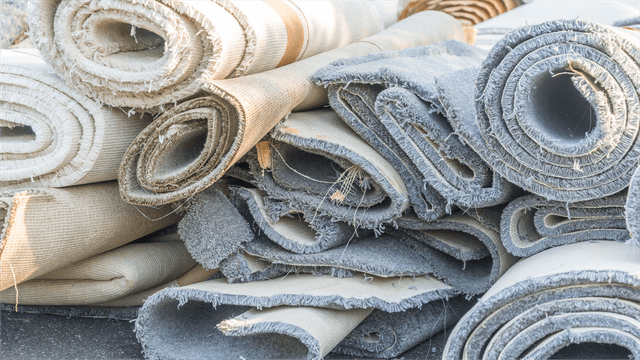
How to Dispose of Old Carpet in the UK
Last updated: May 2026 Getting rid of old carpet, underlay, rugs or flooring waste? This guide expla...
How to Dispose of Rubbish in London
Last updated: May 2026 Looking to get rid of bulky waste in London, such as old furniture, appliance...
How to Dispose of Rubbish in Lewisham
Last updated: May 2026 Looking to get rid of bulky waste in Lewisham, such as old furniture, applian...